In today's fierce competition between fast fashion and e-commerce, clothing brands often focus on fabrics and patterns, but overlook the "last mile" of delivery to consumers - packaging. When consumers eagerly open packages and are faced with adhesive tape that requires scissors to cut open and crumpled cardboard boxes, the "cheap feeling of online shopping" instantly dilutes the texture of the clothes themselves.
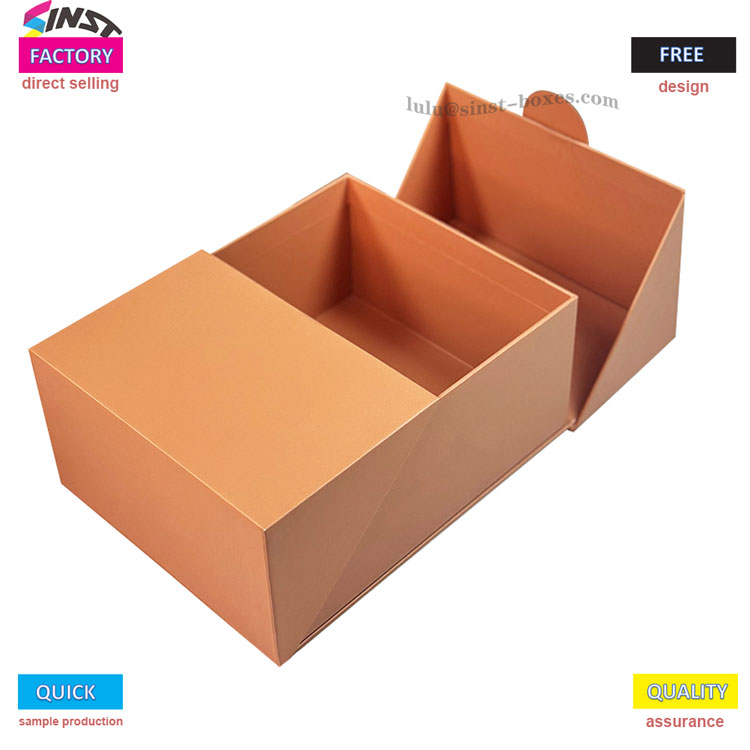
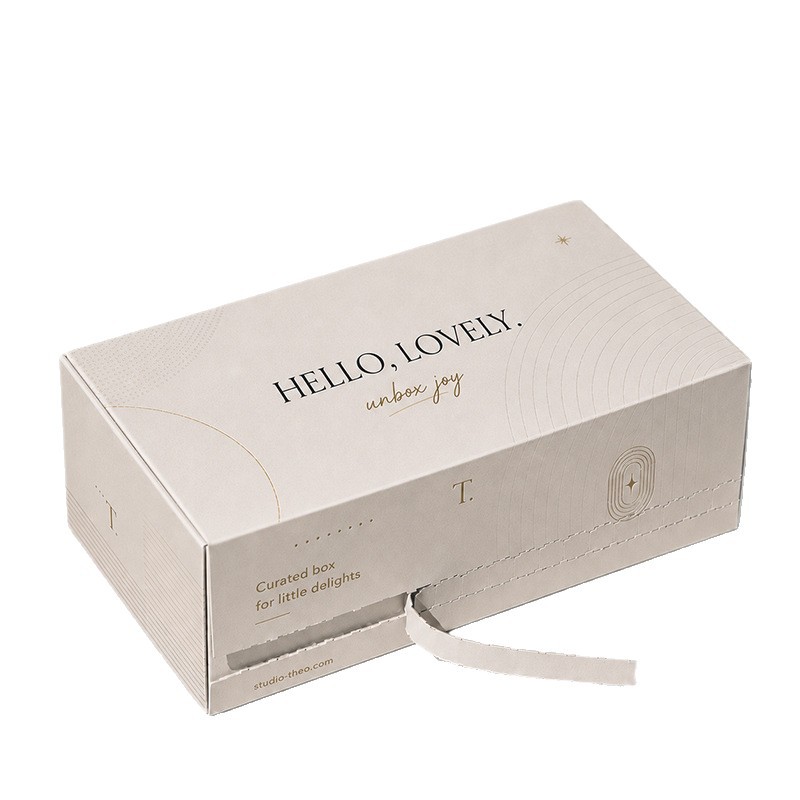
This gift box that combines appearance and functionality is essentially a high-end cosmetic gift box. It breaks the cumbersome unboxing process of traditional gift boxes with three layers inside and three layers outside. Its biggest highlight is the exquisite paper tea strip on the box cover
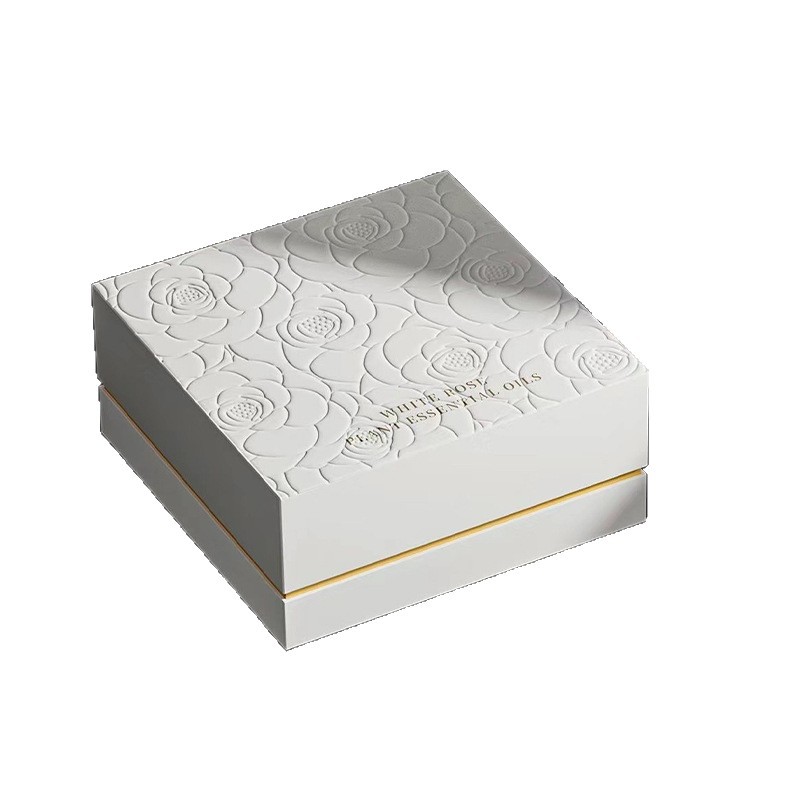
The consumption of personal care gifts continues to rise, and household hair dryers have already moved away from being a single household appliance. The demand for business gifts and best friend souvenirs is steadily increasing, and high-end gift box packaging has become a key lever for brands to leverage the gift market. Recently, this camellia relief hair dryer gift box was launched, and with its delicate craftsmanship design, it quickly gained the attention of many personal care brands and gift distributors.
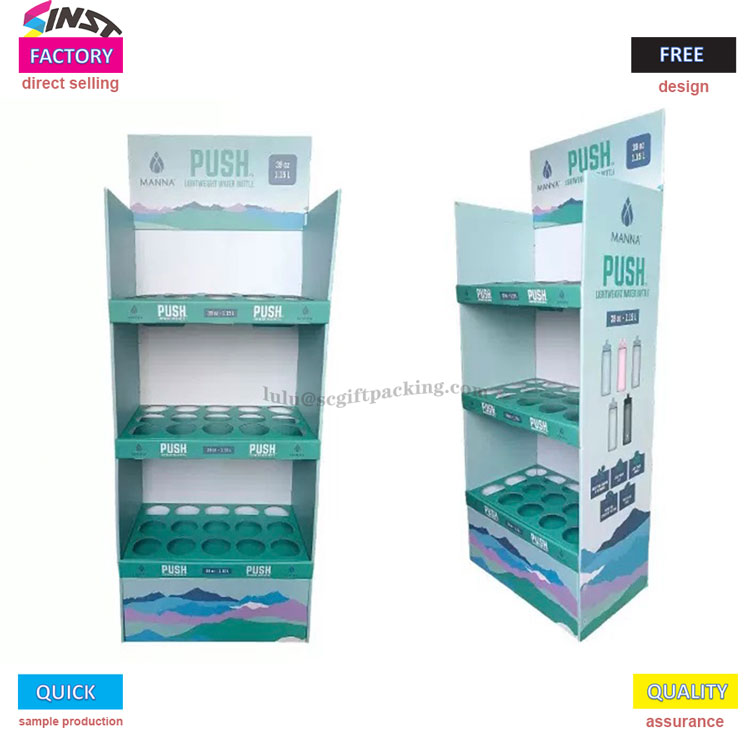
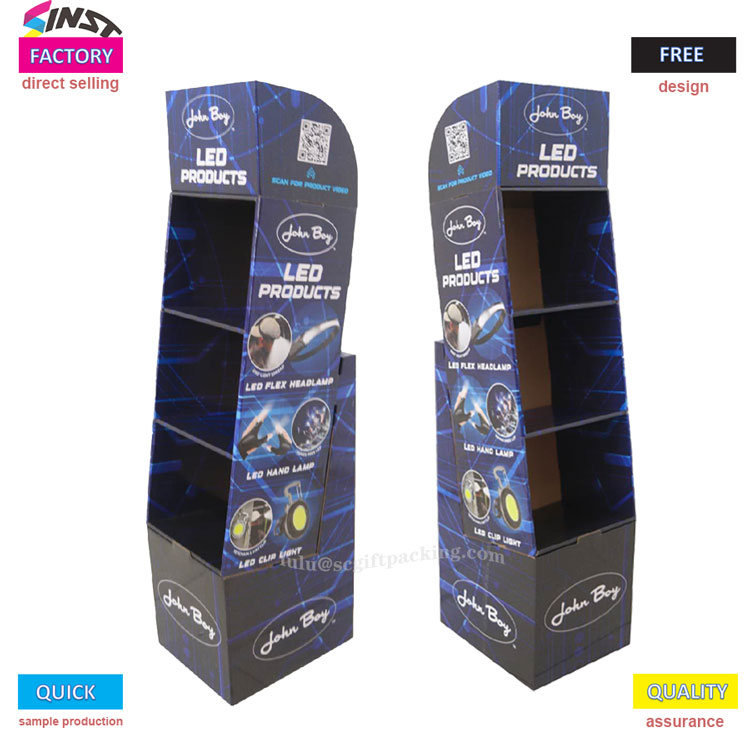
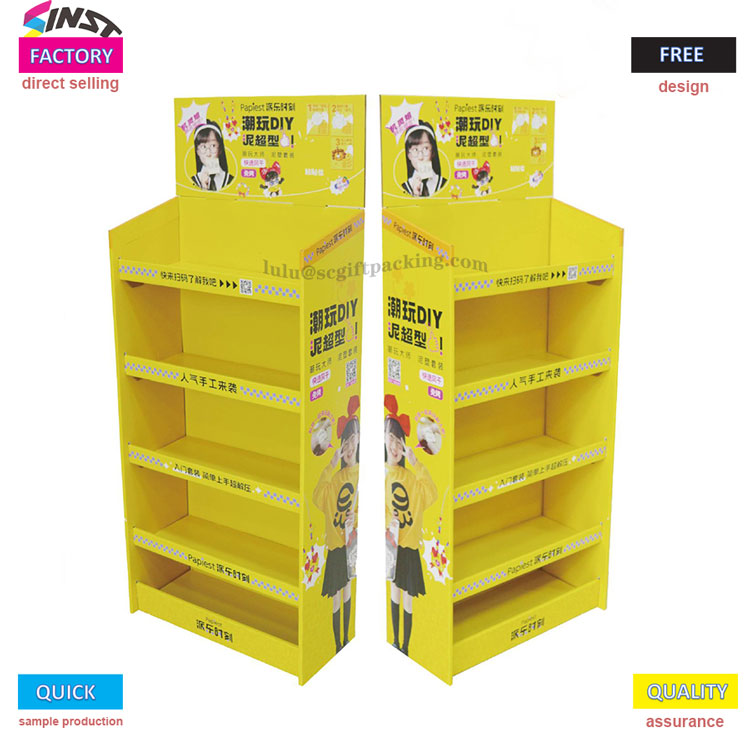
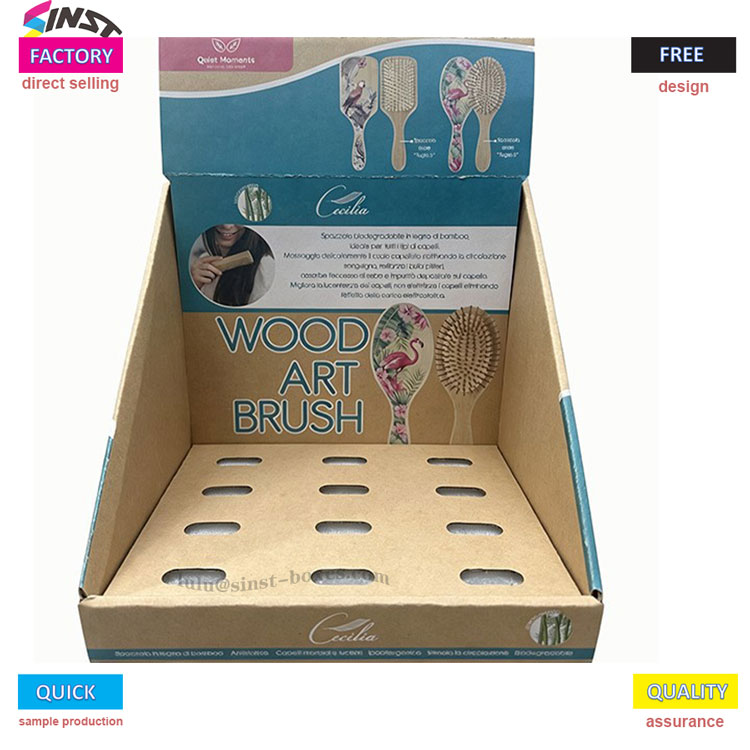
In the fiercely competitive personal care market, manufacturers of high-quality wooden combs and scalp massagers face a continuous challenge: how to maintain lightweight, slim products upright, safe, and visually appealing at the point of sale. Traditional blister packaging and fragile cardboard inserts often fail, resulting in messy shelves and damaged goods. In response to the pain points in this industry, SINST announced today the official launch of its sturdy kraft paper counter display for wooden brushes.
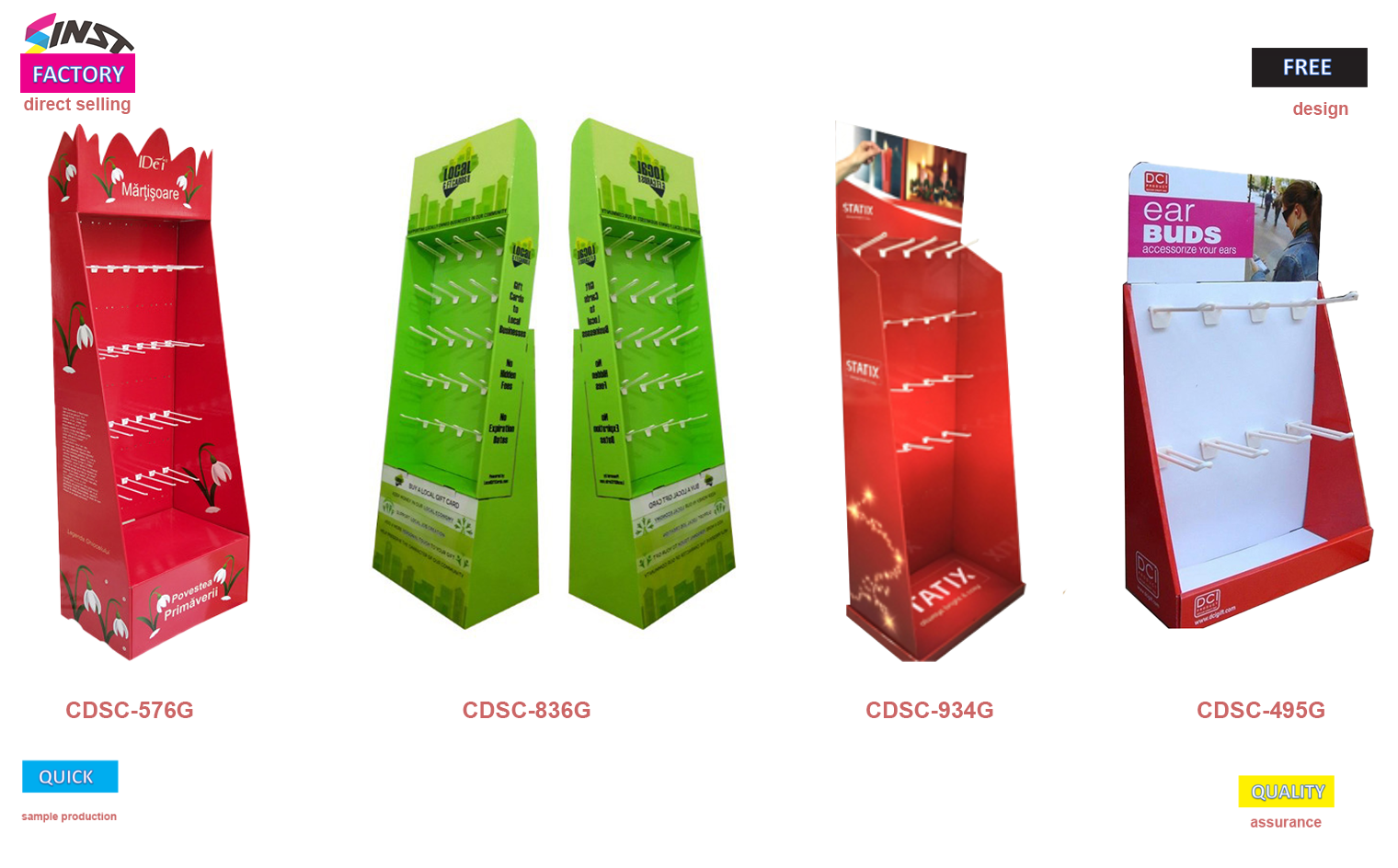
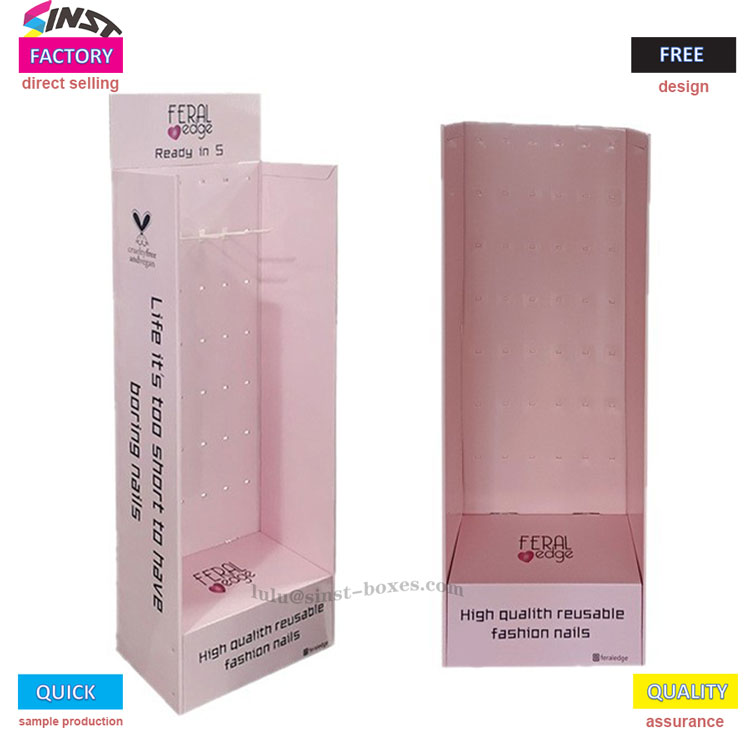
For fast-moving consumer goods, electronic product accessories, and seasonal products, how to capture consumers' attention in the first time and transform "passing by" into "entering the store" has become the focus of attention for brand owners and retailers. Recently, a series of Hanging display rack featuring high saturation colors and modular design have sparked heated discussions in the retail industry due to their strong scene adaptation capabilities.
People who have worked on wearable terminals understand a pain: when a lot of goods are in, they are displayed like street vendors - customers are too lazy to flip through the piles of armor plates, and they are left standing and poured out again. In the end, they can only rely on the salesperson's words to push them.