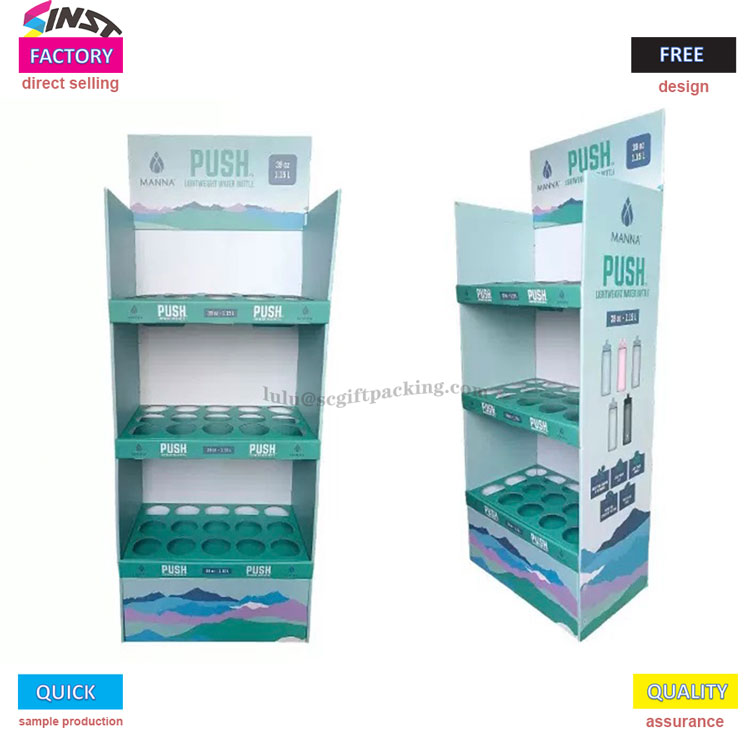
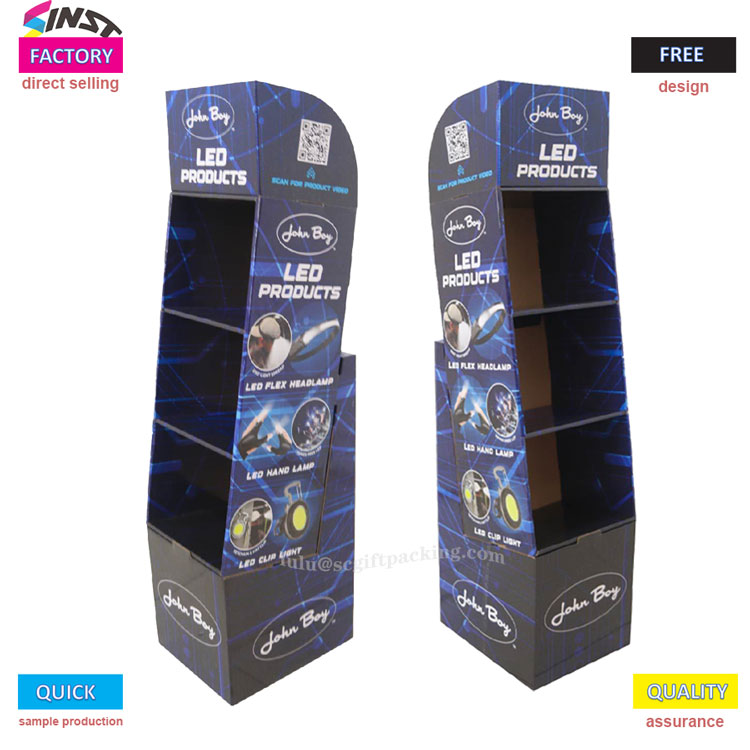
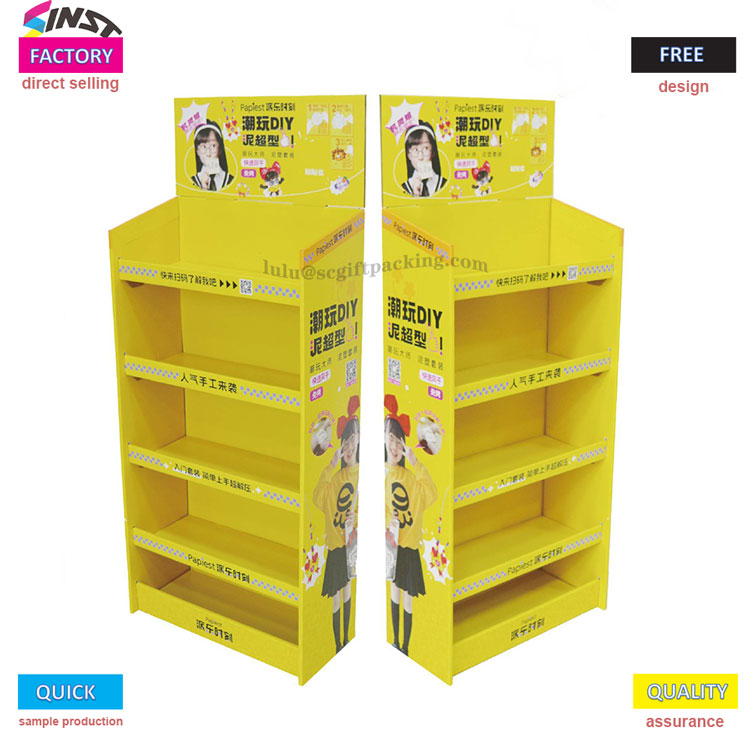
Walk down the toy aisle of any major US retailer, and you will notice a distinct shift in how collectible figures are merchandised. The heavy, permanent shelving units are disappearing. In their place are vivid, highly customized temporary fixtures. Blind box toys operate on hype, limited-run series, and fast inventory turnover. Your retail displays have to match that exact cadence.
When a new mystery series drops, relying on generic store shelving dilutes the launch impact. This is why a dedicated blind box toy cardboard display rack has become the default structural choice for toy brands looking to capture foot traffic. It answers a simple retail problem: how do you ship a branded environment flat, set it up in minutes, and recycle it when the inventory sells out?
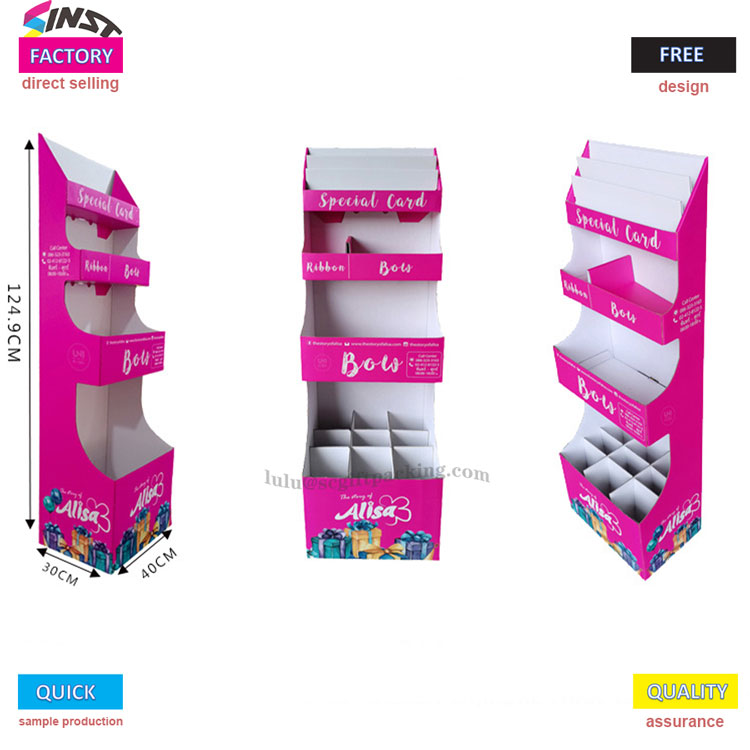
The Shift From Permanent Acrylic Cases to Corrugated Pop-Up Fixtures
Permanent acrylic cases look premium on day one. By day thirty, they tell a different story. Acrylic scratches easily, collects dust, and requires dedicated cleaning from store staff who simply do not have the time. More importantly, acrylic is a static investment. You cannot easily change the shape, color, or footprint of a permanent case to match a new character release.
Corrugated pop-up fixtures solve the deployment bottleneck. Instead of shipping heavy, fragile plastic cases across the country, brands ship flat-packed corrugated boards. A custom blind box display stand costs a fraction of permanent shelving in both unit price and freight. Because production can easily scale—manufacturers like Sinst operate with a daily production capacity exceeding 30,000 units—brands can synchronize their fixture delivery exactly with their product launches.
When a limited-run series concludes, store managers simply break down the recyclable cardboard toy rack and put it in the baler. There is no reverse logistics chain to manage. No returning empty cases to a warehouse. The physical marketing asset does its job and leaves no trace.
Structuring Displays for the Blind Box Merchandising Strategy
Merchandising blind boxes requires a specific psychological approach. You are selling a mystery, but buyers still need to see the potential payoff. The display has to balance secrecy with visual proof of quality. You cannot just pile square boxes on a flat shelf and expect high conversion rates.
Zoning for Open Display Figures and Sealed Mystery Boxes
Physical layout dictates buyer behavior. Sinst designs specifically address this with a three-layer partition design. You need distinct zones to separate the merchandise from the marketing hook. The top and middle tiers are typically engineered to hold the bulk inventory of the sealed mystery boxes.
The critical selling zone is the bottom. Using a flexible display on the bottom layer allows brands to showcase the "open" display figures safely. Printing brand and gift patterns directly on this bottom section enhances visual recognition right where the buyer's eye naturally drops to inspect the physical toy. If you hide the actual vinyl figures, impulse buys plummet. Buyers need to see the paint applications, the scale, and the "chase" figures they are trying to win.
Designing Social Media Check-In Points for Unboxing Events
Unboxing is a highly documented social event. Pop-up store blind box displays frequently double as selfie backgrounds for collectors. Utilizing a striking pink color scheme or a high-contrast Pantone match does more than just hold inventory—it turns the endcap into a branded destination.
The physical fixture becomes part of the digital content. When fans photograph their pulls in front of the rack, a distinctive color palette and clear logo placement ensure that your brand is instantly recognizable in the background of a TikTok or Instagram post, even if the user does not tag the company.
Engineering 3-Tier Cardboard Racks for Collectible Toy Weights
Vinyl collectible figures are deceptively heavy. A standard blind box might only weigh a few ounces, but a fully stocked 3-tier cardboard toy display can easily hold fifty to eighty units. That weight adds up fast.
Generic shipping cardboard will bow under this load. Within a week, a sagging shelf makes a premium toy line look cheap. Worse, if a shelf sags too far, the boxes slide forward, shifting the center of gravity and potentially tipping the entire unit over onto the retail floor.
To prevent structural failure, specialized manufacturers use a 1500gsm high-density cardboard core laminated with a 157gsm art paper exterior. This specific combination provides the rigidity of wood while maintaining the printability of premium paper. Load-bearing dividers are integrated into the three-layer partition design, transferring the weight of the top tiers directly down to the floor base rather than letting it rest entirely on the horizontal shelf spans.
Maximizing Brand Recognition With Custom Print and Color Schemes
Print quality dictates retail placement. Big box stores will not place muddy, low-resolution displays in prime traffic areas. The 157gsm art paper outer layer accepts custom CMYK and Pantone printing with edge-to-edge precision. This means your corrugated blind box display shelf can perfectly color-match the primary packaging of the toys themselves.
You have to be mindful of your finish. Glossy lamination makes bright colors pop and adds a layer of moisture resistance, but it also reflects harsh fluorescent retail lighting, which can obscure your graphics from certain angles. Matte finishes absorb light and offer a premium, sophisticated feel, though they require careful handling during transit to avoid visible scuffing.
Integrating AR QR Codes for Virtual Unboxing Experiences in 2026
Looking ahead to 2026, retail footprints are shrinking while digital interaction expectations are expanding. Brands are integrating AR QR codes directly into the artwork of the cardboard display. Instead of mounting expensive, breakable LCD screens to a temporary fixture, high-contrast QR codes printed on the header card allow buyers to scan and see virtual 3D models of the "mystery" figures unboxing themselves on their phone screens.
For this to work flawlessly in a store environment, the print registration must be exact. A blurry QR code on a corrugated substrate will fail to scan under store lights, rendering the digital campaign useless.
Specifying Manufacturer Requirements for US Retail Deployments
Designing a great display is useless if a retailer refuses to put it on the floor. US retail chains have strict vendor compliance manuals that buyers frequently overlook until it costs them their floor space.
First, footprint limits are non-negotiable. A display that extends an inch beyond the approved floor plan will be rejected at the loading dock. Second, assembly time matters. Retail associates will not spend thirty minutes deciphering complex instructions or hunting for plastic clips. Tool-free assembly is mandatory. The display must utilize origami-style folding techniques where tension holds the rack together. If it takes more than three minutes to pop up and lock into place, store staff will leave it in the backroom.
Finally, compliance and sustainability are heavily audited. Major US buyers increasingly demand proof of ethical manufacturing and sustainable sourcing. Choosing a partner like Sinst—who holds ISO9001, FSC, BSCI, and SEDEX certifications—ensures that the recyclable materials used in your displays meet the strict environmental and labor standards required by global retail brands. Stores want fixtures they can throw straight into the cardboard baler without paying commercial mixed-waste sorting fees.
When you specify your next rollout, do not leave the fixture as an afterthought. Match the quality of your merchandising to the hype of your toys. A well-engineered retail display rack for blind boxes protects your product, acts as your silent salesperson, and guarantees your brand stands out on a crowded floor.

 English
 Español
 Português
 русский
 Français
 日本語
 Deutsch
 tiếng Việt
 Italiano
 Nederlands
 ภาษาไทย
 Polski
 한국어
 Svenska
 magyar
 Malay
 বাংলা ভাষার
 Dansk
 Suomi
 हिन्दी
 Pilipino
 Türkçe
 Gaeilge
 العربية
 Indonesia
 Norsk
 تمل
 český
 ελληνικά
 український
 Javanese
 فارسی
 தமிழ்
 తెలుగు
 नेपाली
 Burmese
 български
 ລາວ
 Latine
 Қазақша
 Euskal
 Azərbaycan
 Slovenský jazyk
 Македонски
 Lietuvos
 Eesti Keel
 Română
 Slovenski
 मराठी
 Srpski језик