Nowadays, when it comes to shopping, color box packaging is like a facade - snacks, cosmetics, mother and baby products, and even fresh express delivery all rely on it to support the scene. But have you ever thought: why can't the color boxes printed by the printing factory be loaded directly? Do we have to do another 'surface treatment'? In fact, this step is like sticking tempered glass film on a phone or ironing clothes, it's not an unnecessary task, it's the key to saving life and adding points!
What is' surface treatment '? Simply put, it means "layering clothes" or "beautifying" the printed color box: using physical (such as embossing) or chemical (such as applying gloss oil) methods to add a layer of protection to the paper surface, or make it look better and easier to touch. Just like you bought a white T-shirt, printed the pattern, and then did a solid color treatment to prevent fading, or added a buffing layer to make it softer - the same reason.
Why is it necessary to perform surface treatment on color box packaging? There are four reasons for being down-to-earth:
1. Prevent "phase breakage": Don't let the ink "run away"
The printed color box has ink that is like "paint stuck on paper", which can easily fall off during transportation and is damp in the warehouse. Surface treatment is to cover it with a "protective cover", such as coating it with varnish or sticking a thin plastic film, so that even if it is thrown around by the courier, the pattern will not be blurred.
2. Make the packaging "speak": remember your brand at a glance
Consumers only spend a few seconds looking at the packaging while shopping at the supermarket - surface treatment can make your box "jump out". for example
Matte finish (like frosted glass): looks high-end, suitable for cosmetics and luxury goods;
High gloss film coating (like a mirror): The color is particularly bright, attracting children (such as toy boxes);
Hot stamping/silver stamping (with laminated metal foil): instantly becomes "noble", commonly used in Mid Autumn Festival gift boxes, tobacco and alcohol boxes.
3. Feeling "comfortable": more touching than "good-looking"
Nowadays, people value the "tactile experience" - a rough box that no one wants to touch, no matter how beautiful it is. Surface treatment can add various "tactile buffs" to paper:
Mother and baby products treated with flocking (like touching small fluff): making people feel "soft and reassuring for children to use";
Fine sanding for electronic products (like frosted phone cases): conveying a "sense of technology";
Red wine box with embossed (pressed wood grain): It feels like real wood, highlighting its grade.
4. Adapt to various "frustrating scenarios": Don't let the packaging "fall off the chain"
The packaging requirements for different products vary greatly, and surface treatment can be customized according to demand
Food packaging: It needs to be waterproof and oil resistant (such as coated with PE film), otherwise if the soup spills and the box rots, it will be embarrassing;
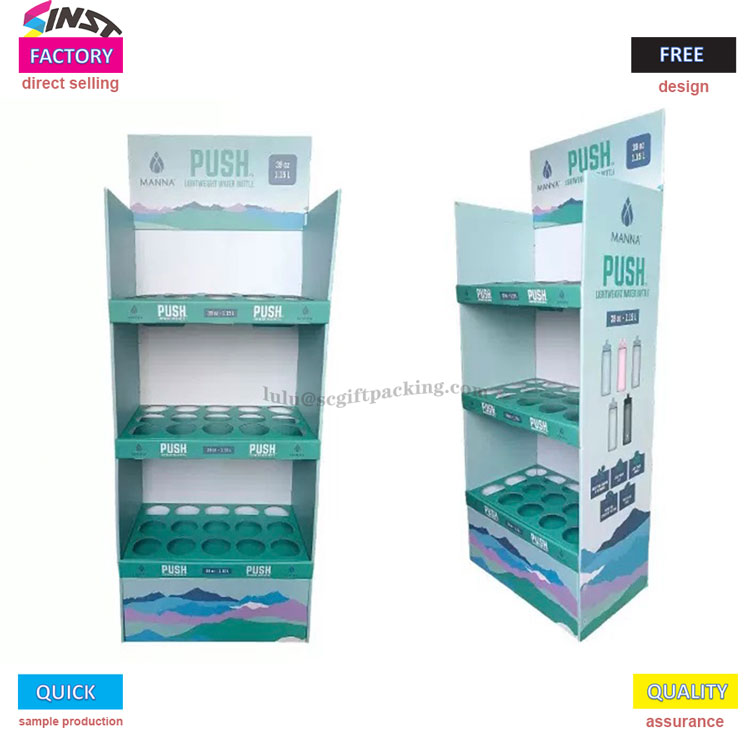
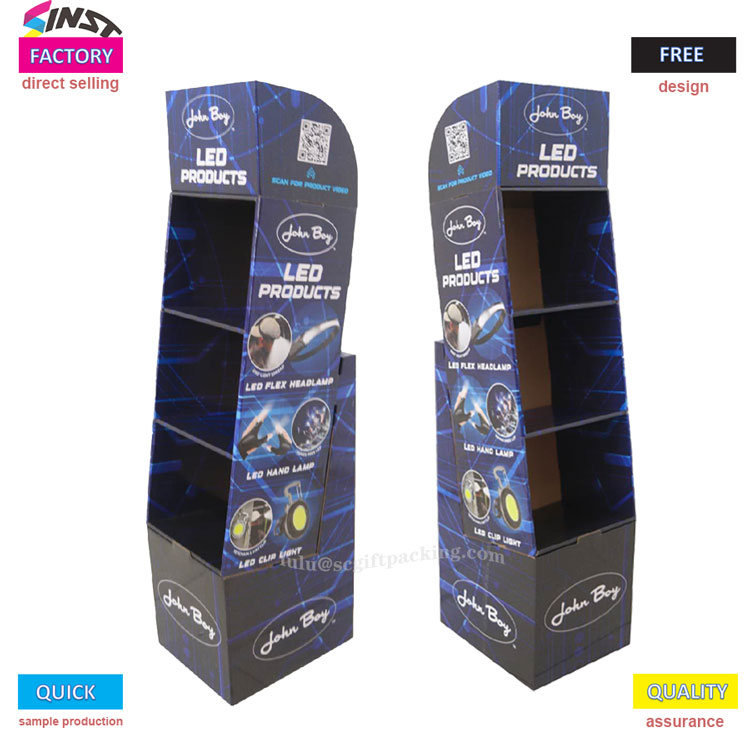
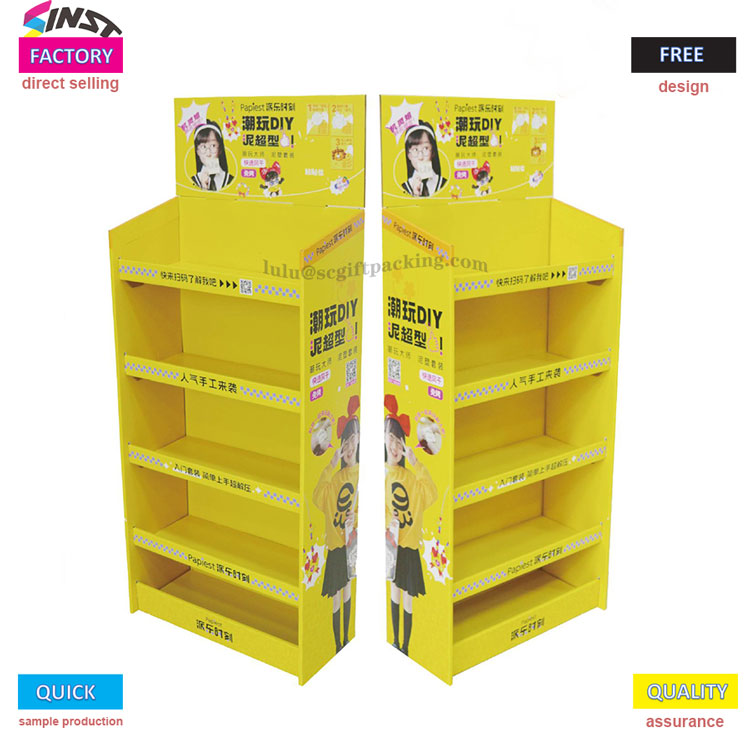
Outdoor display rack: It needs to be sun resistant (coated with ultraviolet light), otherwise it will fade after a few days of use;
E-commerce express box: Easy to tear (with tear line added)+partial UV (with brighter key patterns), making customers feel refreshed when unpacking.
Common "surface treatment" methods, choosing the right one can save money
There are mainly 5 "processing methods" on the market:
• Film coating: laminated plastic film, cheap, wear-resistant, but not easy to degrade (like snack bags in supermarkets);
• Glazing: Coating with "glossy oil" or "matte oil", environmentally friendly, preserves the texture of the paper, but is not coated and durable (like bookstore book covers);
UV coating: A special coating is baked with ultraviolet light, which is bright and has strong adhesion, but the equipment is expensive (like high-end cosmetics boxes);
• Hot stamping/silver stamping: laminated metal foil, appearing high-end, but can only be made in single color (like Mid Autumn Festival mooncake boxes);
• Embossing: Use a mold to press out patterns (such as wood grain, leather grain), which feel textured but cannot be changed (like a red wine box).
The current trend is shifting from "good-looking" to "environmentally friendly+intelligent". Previously, we only focused on "appearance", but now we emphasize "green+useful". In fact, the surface treatment of the color box is to "make the packaging both durable and attractive" - it can protect the products inside and make customers "want to buy at a glance and like it at a touch". Just like when we wear clothes, we not only need to look good, but also be resistant to dirt and comfortable, right?

 English
  Español
  Português
  русский
  Français
  日本語
日本語  Deutsch
  tiếng Việt
  Italiano
  Nederlands
  ภาษาไทย
  Polski
  한국어
한국어  Svenska
  magyar
  Malay
Malay  বাংলা ভাষার
  Dansk
Dansk  Suomi
Suomi  हिन्दी
  Pilipino
  Türkçe
  Gaeilge
  العربية
  Indonesia
  Norsk
Norsk  تمل
تمل  český
český  ελληνικά
  український
  Javanese
  فارسی
فارسی  தமிழ்
தமிழ்  తెలుగు
  नेपाली
  Burmese
  български
  ລາວ
ລາວ  Latine
  Қазақша
  Euskal
  Azərbaycan
  Slovenský jazyk
  Македонски
  Lietuvos
  Eesti Keel
  Română
  Slovenski
  मराठी
मराठी  Srpski језик