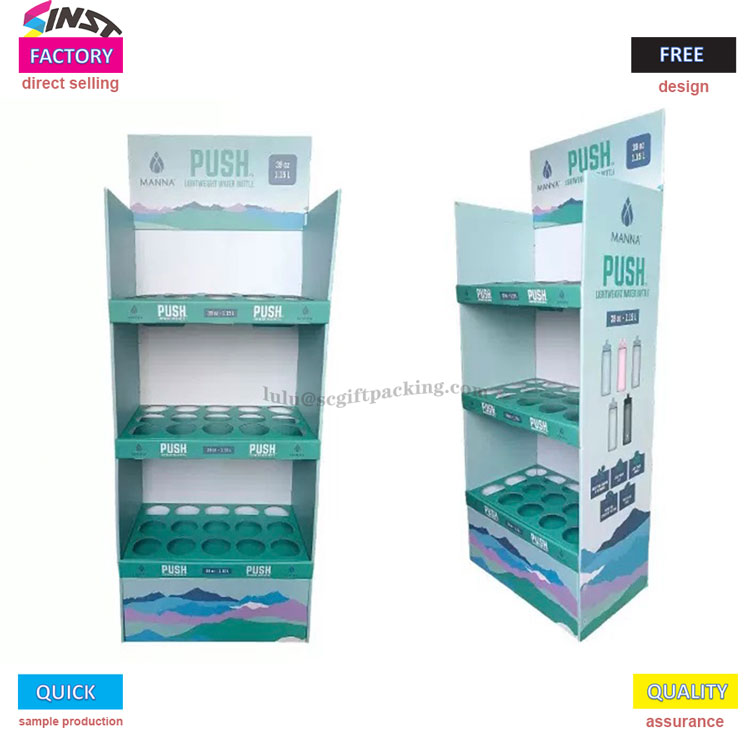
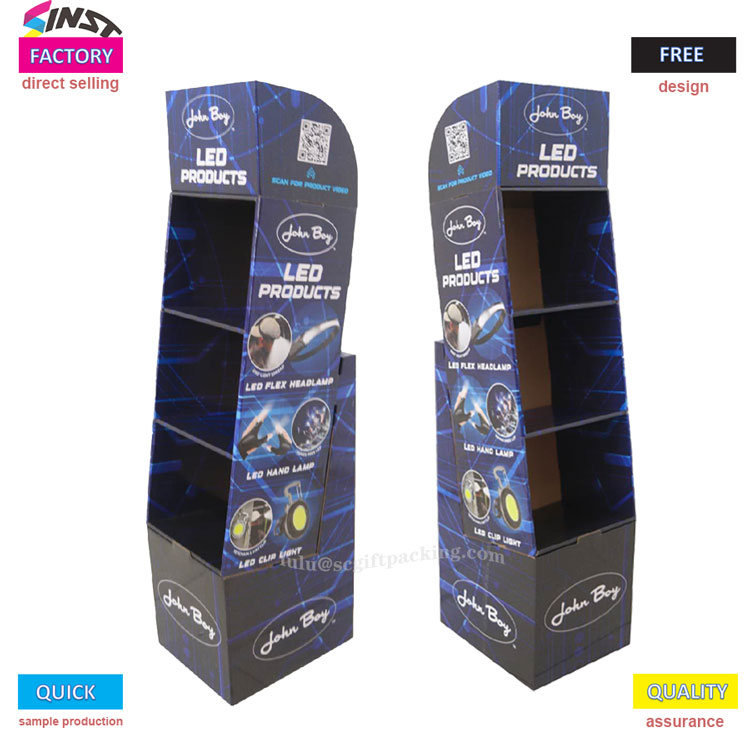
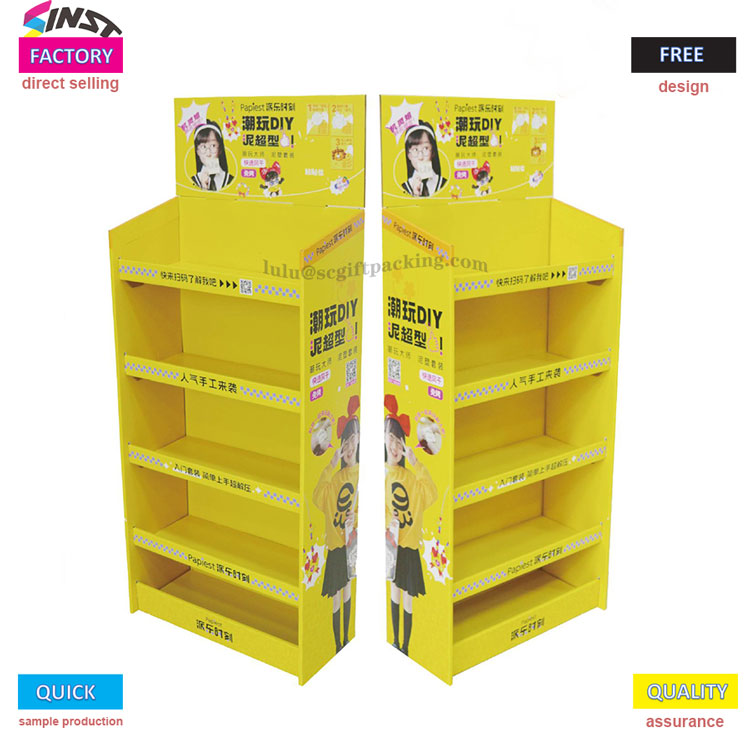
In the foreign trade production fields such as paper gift boxes, supermarket paper display racks, gift boxes, etc., white cardboard and white kraft paper are the two most commonly used types of paper materials, but there are also fundamental differences between the two fabrics. White cardboard is made of fully bleached virgin wood pulp, with both sides of the paper being pure white. The paper surface is delicate and smooth, with uniform whiteness and a uniform texture on both sides. It is highly suitable for fine color printing and various special processes. White faced kraft paper is a single-sided hanging process, with only the surface layer made of bleached white faced wood pulp, and the inner and bottom layers mostly made of natural wood pulp and recycled waste paper pulp. The back side is the original yellow brown color of kraft paper, and the single-sided white faced structure is also the core feature that is easiest for the naked eye to distinguish between the two.
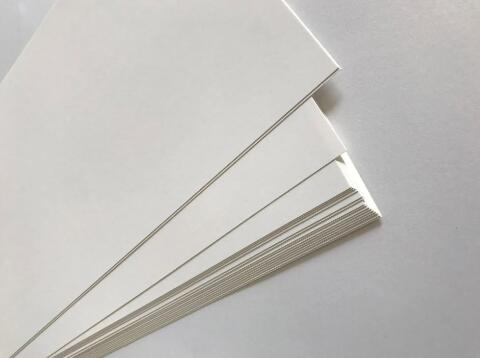
The physical properties of the two types of paper have different focuses, and the compatible product structures are completely different. White card paper excels in flatness and stiffness, with even and full coloring. High end printing techniques such as hot stamping, embossing, and UV printing present excellent results. However, the paper has moderate toughness, tear resistance, and load-bearing and compressive strength, with a focus on appearance and texture. White faced kraft paper relies on the long fiber structure of kraft paper, which is resistant to breakage, compression, and tensile strength far exceeding white paper of the same weight. It is not easily deformed or damaged during stacking and long-distance sea transportation, and has stronger structural stability. Although the surface can complete conventional pattern printing, the restoration of fine images is not as good as white paper. Its core advantage lies in its high-strength practical performance.
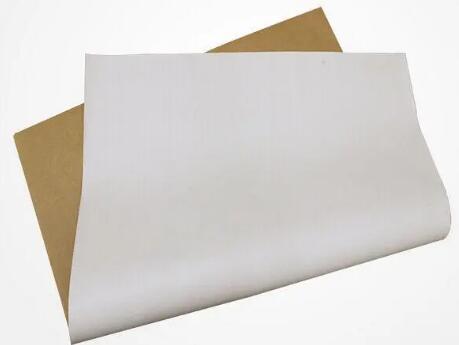
The performance difference directly divides the application scenarios and cost positioning of the two. white cardboard has a high cost and is often used for high-end packaging such as fan-shaped gift boxes, beauty color boxes, biscuit boutique color boxes, desktop PDQ display boxes, etc., to enhance product quality and display aesthetics; White faced kraft paper has a higher cost-effectiveness and is easier to obtain overseas environmental recycling certification. It is the preferred material for floor standing FSDU paper shelves, foreign trade transportation outer boxes, and heavy-duty supermarket display racks. Large scale shipments can effectively control procurement and logistics costs. For exquisite gift boxes and desktop displays, white cardboard is preferred. For the production of load-bearing floor stands and export logistics packaging, white faced kraft paper is preferred. Reasonable material selection can balance product quality and production costs.

 English
  Español
  Português
  русский
  Français
  日本語
日本語  Deutsch
  tiếng Việt
  Italiano
  Nederlands
  ภาษาไทย
  Polski
  한국어
한국어  Svenska
  magyar
  Malay
Malay  বাংলা ভাষার
  Dansk
Dansk  Suomi
Suomi  हिन्दी
  Pilipino
  Türkçe
  Gaeilge
  العربية
  Indonesia
  Norsk
Norsk  تمل
تمل  český
český  ελληνικά
  український
  Javanese
  فارسی
فارسی  தமிழ்
தமிழ்  తెలుగు
  नेपाली
  Burmese
  български
  ລາວ
ລາວ  Latine
  Қазақша
  Euskal
  Azərbaycan
  Slovenský jazyk
  Македонски
  Lietuvos
  Eesti Keel
  Română
  Slovenski
  मराठी
मराठी  Srpski језик